
Remote Expeditions
Argentina Travel Guide
What decides a first trip to Argentina: entry rules, money, timing, the eight regions worth your days, the birds, and three journeys we actually run.
Esquina de Guardia, San Antonio de los Cobres, Salta, Argentina © Tristan Quevilly
This is the Argentina guide we would hand a traveller before they book anything.
It covers what decides a first trip — entry rules, money, timing, the regions worth your days — and it ends with three journeys we actually run here. It is not a list of places; it is the order we would do them in.
Chapter 1
Argentina at a glance
The facts you want before you start planning: what the country is called on paper, where it sits, and the handful of numbers travellers ask about first.
Country facts
- Official Name: Argentine Republic
- Continent: South America
- Time zone(s): Argentina Standard Time (ART, UTC-3)
- Capital City: Buenos Aires
- Population: Approximately 46 million (2023 estimate)
- Official Language(s): Spanish
- Government Type: Federal presidential constitutional republic
- Primary Economy Sectors: Agriculture (soybeans, beef), manufacturing, services, and mining
- Currency: Argentine Peso (ARS)
- Voltage and Plug Type(s): 220V, Type C and I plugs
- International Calling Code: +54
- Main International Airport(s): Ministro Pistarini International Airport (EZE, Buenos Aires)
Chapter 2
Before you go
Nine things that decide how smoothly a first trip runs, from the visa rules at the border to how much cash to carry outside the cities. This is what we tell travellers before they book, not general advice.
Climate and when to go
- Best months: Patagonia from November to March, the Northwest from May to October, Iguazú all year but best from April to June and September to October.
- Climate type: temperate in the centre, subtropical in the northeast, arid in the northwest and subpolar in Patagonia and Tierra del Fuego.
- Temperatures: summer around 25–35 °C in the north, 20–30 °C in the centre and 10–20 °C in Patagonia; winter drops below freezing in the south and at altitude.
- Rainfall: up to 2,000 mm a year in the northeast, around 1,000 mm in the Pampas, and under 250 mm in Patagonia outside the Andes.
- What decides your trip: wind and altitude more than latitude — the northwest swings sharply between day and night, and Patagonian wind changes plans in any month.
Visa and entry
Most EU, UK, US, Canadian and Australian passport holders enter Argentina visa-free for tourism for up to 90 days, with a passport valid for six months beyond arrival. Immigration may ask for proof of onward travel and sufficient funds, and travel insurance is recommended rather than required. Rules change: confirm current requirements before booking.
L'argent
The peso is what you spend day to day, and cash still decides how far you get outside the cities, where cards are sometimes refused or carry a surcharge. ATMs are common in Buenos Aires, Córdoba and Mendoza but impose low withdrawal limits and fees, so bring a second card and a stock of small notes. Tipping is 10% in restaurants and expected in cash.
Sécurité
Argentina is generally safe for travellers, and the realistic risk is petty theft — phones, bags and cameras — concentrated in Buenos Aires’ tourist districts, bus terminals and crowded transport. Use ride-hailing apps or radio taxis at night, keep valuables out of sight, and show documents only to uniformed officers. Further south, weather and distance are the hazards rather than crime.
Santé
Travel insurance with medical evacuation cover is essential rather than optional: private clinics in Buenos Aires, Córdoba and Mendoza are good, and facilities thin out quickly elsewhere. Altitude is the most common problem, with the northwest sitting above 1,200 m and several itineraries climbing far higher. Yellow fever vaccination is recommended for Misiones and the northeast, and dengue is present in the north during the warm months.
Se déplacer
Argentina is a flying country: Buenos Aires to El Calafate is three and a half hours in the air or three days on the road, and the domestic flight schedule constrains an itinerary more than the map does. Long-distance buses are comfortable and cheap if you have the time, and a rental car makes sense in Patagonia and the northwest. In Buenos Aires use the Subte; elsewhere, ride-hailing is the simplest way around.
Ce qu'il faut emporter
Layers rather than outfits, because Patagonia can deliver four seasons in a day: a windproof and waterproof shell, warm mid-layers and broken-in waterproof boots. The northwest needs sun protection and warm clothing for cold nights at altitude; Iguazú needs light, quick-drying clothes and a rain jacket. Add something modest for churches and a swimsuit for hot springs.
Where to sleep
Argentina’s best places to stay are small and regional: estancias in the Pampas, cabañas and lodges in Patagonia, wine hotels in Mendoza and boutique conversions in Buenos Aires’ old neighbourhoods. Chain hotels exist in the cities but rarely carry the character of the countryside. In Patagonia and around Iguazú, book well ahead for December to February.
Culture
Argentina’s day runs late: dinner from 9pm, and mate passed around through the afternoon as a ritual of hospitality rather than a drink. Asado is a social event, tango is still danced in neighbourhood milongas rather than only on stages, and fileteado painting covers shop signs and buses alike. Football is the other civic religion, and a match is worth planning a week around. Outside Buenos Aires the traditions diverge sharply — chamamé in the northeast, zamba and Andean music in the northwest, and Welsh chapels in Patagonia.
Chapter 3
Où aller
Argentina is eight travel regions, not one destination. We start from the base we would actually use in each region and work outward from there.


Chapter 4
Don't miss
A short list rather than a long one: the places we return to ourselves, and the ones that reward an early start.
-
Fitz Roy Mountain
Fitz Roy Mountain, also known as Cerro Fitz Roy, is an iconic peak located in Los Glaciares National Park, Argentina. It is a popular destination for mountaineers and hikers, offering challenging ascents and breathtaking panoramic views. Fitz Roy is known for its distinctive spires and rugged beauty, often shrouded in clouds and mist. The trek to Laguna de los Tres provides a close encounter with the mountain and rewards hikers with stunning vistas of the surrounding landscape. Fitz Roy Mountain is a must-visit for outdoor enthusiasts and those seeking the raw beauty of Patagonia.
-
Laguna Cerro Torre
Laguna Torre is a scenic lake located in Los Glaciares National Park, Argentina, near the border with Chile. It offers breathtaking views of the iconic Cerro Torre, a magnificent mountain known for its distinctive spires and challenging climbing routes. Visitors can hike to Laguna Torre, marvel at the towering peak, and enjoy the peacefulness of the surrounding wilderness. The lake and its backdrop of glaciers and mountains create a picturesque setting, making it a must-visit destination for nature lovers and outdoor enthusiasts.
-
Salto Mbigua
A hidden gem in Iguazu Argentina, Salto Mbigua dazzles with its secluded waterfall, lush rainforest surroundings, and serene atmosphere—perfect for nature lovers seeking tranquility off the beaten path.
-
Laguna Sucia
All the best photographers go there. Climb from the left side, there are tons of photo spots
-
Laguna de los tres
Discover the stunning Laguna de los Tres, nestled in Aconcagua, Argentina. Surrounded by majestic peaks, its shimmering waters and breathtaking landscapes make it a must-visit for nature enthusiasts.
-
Mirador Maestri
Mirador Maestri offers breathtaking panoramic views of the majestic glaciers in Los Glaciares National Park, Argentina, making it a must-visit spot for nature enthusiasts and photographers.
-
Chorillo Del Salto
Waterfalls all along the way. The best are up. Get there from Laguna Capri Camp
-
Cañadon de las vueltas
-
Mirador Cuesta de Huaco
A spectacular viewpoint in Jáchal, this site showcases the winding roads and vibrant red cliffs of the Cuesta de Huaco. It is an essential stop for travelers seeking dramatic San Juan landscapes.
-
Cono de Arita
This near-perfect volcanic pyramid rises majestically from the vast Salar de Arizaro. Its striking silhouette creates a surreal, otherworldly landscape, making it a must-see natural wonder in the remote Salta highlands.
-
Buglas Birding Lodge & Nature Reserve
-
Volcanic Islands at Esquina de Guardia
Chapter 5
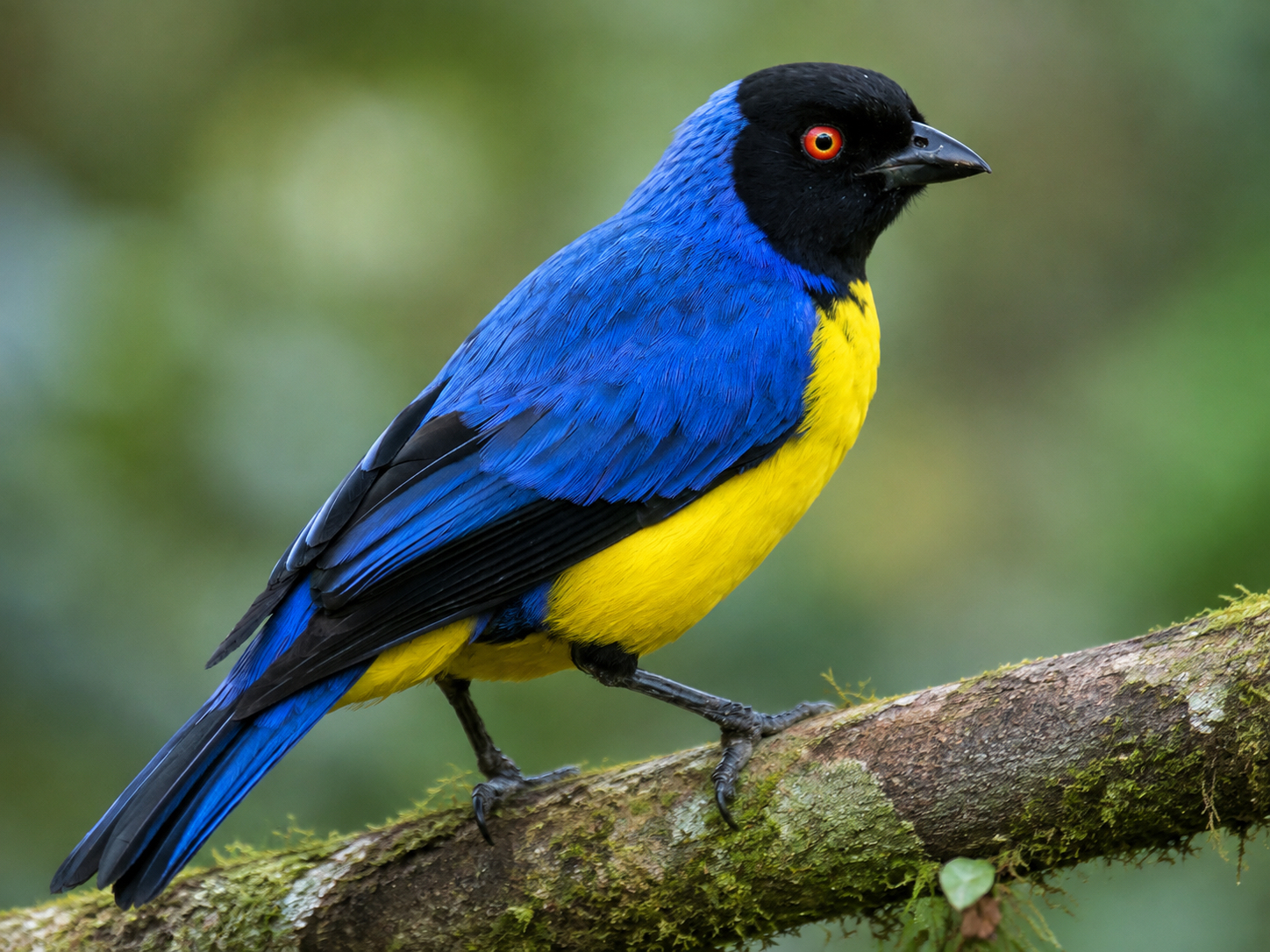
Birds you can photograph
Argentina is a birding country before it is anything else. These are the species photographers ask for, and the ones a first trip can realistically deliver.


Chapter 6
Suggested itineraries
Three ways we actually travel here, day by day. They are samples rather than fixed products — the sequence is the useful part.
Puna Landscape Photography Tour
16 days
- Day 2Visit of the Villages of Tilcara, Humahuaca and Purmamarca (Las Marias Hotel Boutique)
- Day 3Photo Activity in Quebrada de Humahuaca, Photography Activity at Hornocal Lookout (Las Marias Hotel Boutique)
- Day 4Photography activity in Salinas Grandes, Sunset in Desierto del Del Diablo (Hotel Casa Andina)
- Day 5Photography Activity near Tolar Grande, Sunset in Cono de Arita (Hotel Casa Andina)
- Day 6Sunrise Activity at Ojos de Mar, Sunset Activity in Ojos de Campo (Casa de Altura)
- Day 7Sunrise Photo activity at Laguna Verde (El Peñon, Hostería de Altura)
- Day 8Sunrise Photo Activity Carachi Pampa Volcano, Photo Activity at White Sand Dunes, Photo Activity in Campo de Piedra Pómez (El Peñon, Hostería de Altura)
- Day 9Sunrise Photo Activity at Campo de Piedras Pomez, Photo Activity at Volcan Peinado (Campsite at Laguna Peinado)
Patagonia & Iguaçu Falls Photography Tour
10 days
- Days 1-3Iguazú Falls from Argentina and Brazil | Based at Gran Meliá Iguazú, this stage explores the Argentinian circuits, the Brazilian side of Iguazú, and a full moon photography session at the falls.
- Days 4-5El Calafate and Perito Moreno Glacier | From El Calafate, a full-day excursion to Los Glaciares National Park includes the Perito Moreno Glacier walkways and a boat navigation along its ice wall.
- Days 6-9Torres del Paine National Park | After crossing from El Calafate into Chile, this stage explores Torres del Paine from Hotel Rio Serrano and Hosteria Pehoe, with sunrise, sunset, and trail photography, ending with a scenic drive to Puerto Natales.
- Day 10Puerto Natales Departure | A leisurely morning in Puerto Natales is followed by the transfer to Puerto Natales Airport for the flight back home.
Patagonia Autumn Photography Tour & Workshop
15 days
- Day 2Hike to Laguna Capri, Photo activity in Laguna Capri, Relax walk to Fitz Roy Mirador, Night photography session near the Capri campsite (Camping Laguna Capri)
- Day 3Hike to Cascada Escondida, Hike to Poincenot Campsite, Photo activity at the Japanese Garden near Poincenot Campsite, Night photography session near the Poincennot campsite (Camping Poincenot)
- Day 4Hike to Laguna de los 3, Sunset photo activity near Poincennot Campsite (Camping Poincenot)
- Day 5Hike from Poincennnot to Laguna Torre, Photography Session near De Agostini Campsite (Campamento De Agostini)
- Day 6Sunrise at Laguna Torre, Relax morning at Agostini Campsite, Hike to Mirador Maestri
- Day 7Sunrise at Laguna Torre, Hike from Agostini Campsite to El Chalten, Sunset Photography Session from Cañadon Rio De Las Vueltas (Senderos Aparts & Suites)
- Day 8Hike to Loma Pliegue Tumbado, Photos activities in Loma Pliegue Tumbado (Senderos Aparts & Suites)
- Day 9Sunrise Photography Session at Cañadon Rio De Las Vueltas Spot 1 (Hotel Posada Los Alamos)
Chapter 7
Practical questions
The questions that come up on every Argentina enquiry, answered plainly.
La meilleure période pour visiter l’Argentine dépend en grande partie de la région et des activités qui vous intéressent. Pour explorer Buenos Aires et la Pampa, le printemps (d’octobre à novembre) et l’automne (de mars à mai) offrent des températures agréables. Si vous vous rendez en Patagonie et dans les Andes du Sud, la meilleure période est pendant les mois d’été (de décembre à février) pour la randonnée et les activités de plein air. Les mois d’hiver (de juin à août) sont quant à eux idéaux pour skier dans les Andes ou découvrir le nord-ouest, où les conditions sont plus douces. Chaque saison offre des expériences uniques ; choisissez donc selon vos intérêts.
Les plats les plus réputés d’Argentine tournent avant tout autour du bœuf, reflet de la tradition d’élevage bovin du pays. L’asado, le barbecue argentin, est un emblème culturel : côtes de bœuf, saucisses et autres morceaux grillés à la perfection. Les empanadas, chaussons salés garnis de bœuf, de poulet ou de fromage, sont des entrées ou des en-cas appréciés. La milanesa, escalope de viande panée et frite, souvent servie avec des pommes de terre ou des salades, est un autre incontournable. Le locro, ragoût consistant à base de maïs, de haricots et de viande, témoigne des influences culinaires indigènes et coloniales de l’Argentine. La provoleta, fromage provolone grillé, accompagne souvent l’asado. Enfin, le dulce de leche, pâte de lait caramélisée, est un ingrédient très apprécié utilisé dans divers desserts et douceurs dans tout le pays.
Pour un voyage consacré aux temps forts de l’Argentine, un séjour d’environ une semaine est idéal. Cette durée permet de découvrir la culture vivante de Buenos Aires, les chutes d’Iguazú et les paysages pittoresques de Patagonie ou des vignobles de Mendoza. Elle offre un bon équilibre : assez de temps pour apprécier à la fois les villes et les merveilles naturelles sans se sentir pressé. Quelques jours suffiraient tout juste à entrevoir un site majeur, mais une semaine permet une exploration plus complète de la diversité de l’Argentine.
La majoration de 10 % appliquée à l’utilisation d’une carte de débit en Argentine tient principalement à des réglementations gouvernementales visant à renforcer l’économie informelle en espèces. Cette majoration vise à encourager les transactions en espèces, moins traçables et donc plus attrayantes dans une économie où prévalent l’inflation et l’instabilité monétaire. Elle constitue aussi un moyen de contrôler les opérations de change et de gérer les fuites de capitaux, car l’usage des espèces permet des transactions susceptibles de contourner les taux de change officiels. Cette stratégie économique complexe reflète les tentatives visant à stabiliser le système financier et à gérer les difficultés économiques.
L'acceptation des cartes de crédit et de débit dans la Puna argentine est extrêmement limitée. En raison de l'isolement de la région et d'une connectivité Internet peu fiable, la plupart des commerces locaux, y compris les petites maisons d'hôtes, les restaurants et les magasins, fonctionnent exclusivement en espèces. Bien que certains grands hôtels ou stations-service dans les centres principaux comme San Antonio de los Cobres puissent accepter les cartes, ces systèmes tombent souvent en panne en raison d'un signal médiocre.
Les distributeurs automatiques sont très rares dans la Puna et sont fréquemment à court d'espèces ou subissent des dysfonctionnements techniques. Il est essentiel d'emporter une quantité importante de pesos argentins en espèces avant de partir pour la région. Les voyageurs doivent retirer tous les fonds nécessaires dans les grandes villes comme Salta ou San Salvador de Jujuy afin de s'assurer qu'ils peuvent couvrir toutes les dépenses, car compter sur les paiements électroniques ou trouver des services bancaires fonctionnels dans le désert de haute altitude est extrêmement peu fiable.
En Argentine, les manchots peuvent être observés principalement en Patagonie, notamment à Punta Tombo, qui abrite la plus grande colonie de manchots de Magellan d’Amérique du Sud. D’autres sites notables incluent la péninsule Valdés, l’île Martillo en Terre de Feu et le canal Beagle près d’Ushuaïa. Ces zones offrent la possibilité d’observer les manchots dans leur habitat naturel, en particulier pendant la saison de reproduction, de septembre à avril. Des visites guidées et des réserves fauniques dans ces régions permettent d’observer les manchots de manière sûre et responsable, dans le respect de leur environnement.
Dans la plupart des régions de Patagonie, l'eau du robinet est généralement potable, surtout dans les grandes villes où les installations de traitement de l'eau sont bien entretenues. Cependant, dans les zones reculées ou rurales, la qualité de l'eau peut varier et il est conseillé d'utiliser de l'eau en bouteille ou une méthode de purification de l'eau fiable. Certains voyageurs peuvent ressentir un léger inconfort gastrique dû aux différences de composition de l'eau, la prudence est donc recommandée. Vérifiez toujours auprès des habitants ou des hébergements pour obtenir des conseils spécifiques sur la sécurité de l'eau dans la région que vous visitez.
If you are weighing up a trip to Argentina — timing, route, how much of Patagonia is realistic in one go — reply to the email this came in and tell me where you are in the thinking. I answer those myself.
Travel Argentina with us
Small-group journeys, personally guided, with time to look properly.


